Tenerife Travel Guide: Teide, Santa Cruz and the North vs South
Measured from the sea level you swim in, Mount Teide is 3,715 meters tall, the highest point in Spain. Measured from where it actually starts, on the Atlantic floor, it is around 7,500 meters, which makes it one of the tallest volcanic structures on Earth. And you can ride a cable car to within 160 meters of the top, then stand in a crater that still smells of sulfur.
That is the first surprise of Tenerife. The second is that the island feels like two different places. The north is green, misty and full of colonial towns; the south is dry, sunny and lined with resorts. Which half you pick decides what kind of trip you have. Here is how to plan both, plus what changed at Teide in 2026.
Climbing Teide in 2026: Cable Car, Permit and the New Fee
Since January 19, 2026, the two main trails near the summit charge a fee, set by the Cabildo de Tenerife (the island government). Here is how it works:
- Cable car (Teleférico del Teide): about €42 return for non-resident adults (roughly €21 for kids 3 to 13), according to 2026 guides. It climbs from the base station at 2,356 meters to La Rambleta (3,555 m) in about eight minutes. Book a time slot on the official site, volcanoteide.com, because it sells out in high season and closes on windy days.
- Summit trail (Telesforo Bravo, trail 10): the last stretch from La Rambleta to the crater needs a permit, which is not included in the cable car ticket. It used to be free; since January 2026 it costs €15 for visitors between 9:00 and 17:00 (free for Tenerife residents and children under 14). Daily places are limited. Booking is on the Tenerife ON platform, with new slots released on Mondays at 7:00 a.m. a few weeks ahead, and they go fast. Bring ID.
- Montaña Blanca trail (trail 7): the full hike from the road to La Rambleta now costs €6 on weekdays and €10 on weekends for visitors. It is a steep five to six hour climb on loose pumice.
Rules and prices here have changed twice in two years, so check Tenerife ON and volcanoteide.com before you go. Also take the altitude seriously: at 3,500 meters it is cold and the air is thin, even when the beach below is 25 °C. Bring a jacket, water and sunscreen.
If you skip the summit, the national park is still worth a full day. Stop at the Roques de García viewpoint for the famous rock formations, walk the easy loop around them (about two hours), and stay for sunset or stargazing. The park is a UNESCO World Heritage Site since 2007, and its sky is so clear that major observatories sit on its edge.
North vs South: Which Side Should You Stay On?
Tenerife's trade winds hit the north coast and stack clouds against the mountains. Locals call that grey ceiling the panza de burro (donkey's belly). The result: the north is cooler, greener and cloudier, while the south stays dry and sunny almost all year. Temperatures are mild everywhere, roughly 18 to 25 °C most months.
Stay in the north if you want culture and landscapes:
- San Cristóbal de La Laguna: a UNESCO World Heritage city since 1999. Its grid of streets, laid out in the late 1400s without walls, became a model for colonial cities in the Americas such as Havana and Cartagena de Indias. It is also a university town, so it has cheap bars and life after dark.
- Puerto de la Cruz: the old tourist town of the north, with a real fishing harbor, the seawater pools of Lago Martiánez designed by César Manrique, and views of Teide over the Orotava Valley.
- Anaga: a jagged mountain range on the island's northeast tip, a UNESCO Biosphere Reserve with ancient laurel forest. Drive up to Cruz del Carmen, hike down to Taganana or the beach at Roque de las Bodegas, and eat fish at a seaside shack. The El Pijaral trail needs a free permit, so book it first.
Stay in the south if you want beaches and guaranteed sun: Los Cristianos, Playa de las Américas and Costa Adeje concentrate the big hotels, calm beaches and whale and dolphin trips. Los Gigantes, on the west coast, has 500-meter cliffs dropping into the sea. It is convenient and sunny, but it can feel like any resort anywhere.
The compromise: sleep in the south for the weather, rent a car for two or three days, and do the north as day trips. Or stay in Santa Cruz, the capital, which is between the two, has the tram to La Laguna and a real city feel.
Masca: Booking and Fees
The Barranco de Masca is the most dramatic hike on the island: a narrow gorge that drops from a tiny hamlet to the ocean. Access is now regulated. You must book a slot on the official platform (caminobarrancodemasca.com), and private cars cannot reach the trailhead: a mandatory shuttle bus leaves from Santiago del Teide. For non-resident adults, 2026 sources put the total at around €40 (entrance plus shuttle), with discounts for kids and Canary residents. The boat from the bottom to Los Gigantes is sold separately and depends on sea conditions. Verify current prices when booking.
Getting Around: TITSA Guaguas and the Ten+ Card
Buses in the Canaries are called guaguas, and on Tenerife they are the green TITSA buses. They cover the whole island, including the airports (TFN in the north, TFS in the south). Get the rechargeable Ten+ card (about €2) and top it up; each trip is cheaper than paying cash. TITSA also sells tourist passes, reported at around €10 for one day and €50 for a week, valid on buses and on the tram between Santa Cruz and La Laguna. Check titsa.com for current prices.
Two lines reach the national park: 342 from Costa Adeje and 348 from Puerto de la Cruz, usually just one departure up in the morning and one down in the afternoon. That works for the cable car if you book a matching slot. For Anaga, Masca or flexible Teide days, a rental car is easier.
Carnival of Santa Cruz 2027
The Carnaval de Santa Cruz de Tenerife is one of the biggest in the world, and in 2027 it moves two weeks later than usual. The opening gala is on January 22, the Carnival Queen gala on February 17, and the street party runs from February 19 to 28, with the big Tuesday on February 23. The theme is "Roma Eterna" (Eternal Rome). Hotels in Santa Cruz fill months ahead, so book early or stay in La Laguna and take the tram.
Tourism Protests: What Visitors Should Know
In April 2024 tens of thousands of people marched across the Canary Islands, about 30,000 in Santa Cruz alone, under the slogan "Canarias tiene un límite" (the Canaries have a limit). More protests followed in 2024 and 2025. They target the model, not individual tourists: rising rents, holiday rentals replacing homes for locals, water and new resort construction. You will not be treated badly for visiting. A few things help: book licensed accommodation, eat and shop at local businesses, respect trail quotas and closures, and spread your spending beyond the southern resorts.
Explore Tenerife with Trevurs
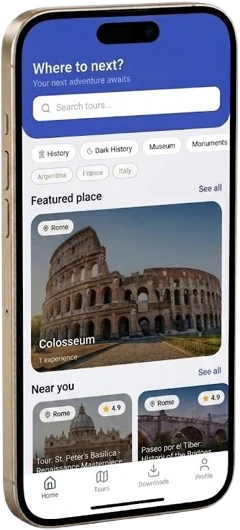
Before the Castilians arrived, Tenerife was the last Canary Island to resist the conquest, ruled by nine Guanche kings under the shadow of Teide. Trevurs has a free audio tour about it, "Tenerife: the Guanches and the Conquest of the Last Free Canary Island". It takes you from Santa Cruz and La Laguna to the battlefields of La Matanza and La Victoria and the bronze kings of Candelaria. It is self-guided, so you go at your own pace, and it works offline, which helps in the mountains where signal disappears.