Spain Travel Tips: Meal Times, Siesta and What Surprises First-Timers
Spain sits on the wrong clock. Geographically, Madrid lies further west than London, and A Coruña is almost level with Lisbon. Yet in 1940 Franco moved the country to Central European Time to match Germany, and nobody ever moved it back. The result: the sun sets at almost 10 p.m. in June in Santiago de Compostela, lunch drifts to 2:30 and dinner to 9:30. Most of what surprises first-timers in Spain starts right there, with a country that lives about an hour "late" by the sun.
Here is what to expect, from meal times and tipping to the paperwork that changed in 2024 to 2026.
Meal Times: Later Than You Think
- Breakfast (7:30 to 10:00): light. Coffee and toast with tomato and olive oil (pan con tomate), or a croissant.
- Lunch (14:00 to 16:00): the main meal of the day. Kitchens often open at 13:30 and close at 16:00. Arrive at 12:30 and you may eat alone, or not at all.
- Dinner (21:00 to 23:00): a restaurant that is empty at 20:00 is not bad, it is early. In Madrid and the south, a 22:00 booking is perfectly normal.
If you get hungry in between, tapas bars bridge the gap. A caña (small draught beer) and a couple of tapas at 19:30 is how locals survive until dinner.
The Menú del Día: The Best Deal in Spain
On weekdays, most local restaurants offer a menú del día at lunch: a starter, a main course, dessert or coffee, bread and a drink (often wine or water) for a fixed price. The tradition goes back to 1965, when the tourism ministry required restaurants to offer a cheap "tourist menu". Expect roughly €12 to €18 in most cities, more in central Madrid or Barcelona. It is usually listed on a chalkboard by the door and is rarely offered at dinner or on weekends.
Tipping: Appreciated, Never Required
Service is included in Spanish prices, and waiters earn a full wage. Tipping is not obligatory and nobody will chase you for it. Locals leave the coins from the change at a bar, or round up. For a good sit-down meal, 5% to 10% is generous.
Siesta, Closed Shops and Sundays
Few people actually nap anymore, but the schedule survives. In smaller towns and in the south, many independent shops close from about 14:00 to 17:00 and reopen until 20:00 or 21:00. Big chains, department stores like El Corte Inglés and supermarkets in large cities usually stay open all day.
Sundays are another story. Outside Madrid (which has had free opening hours since 2012) and designated tourist zones, most shops are shut. Bars, restaurants and museums stay open, so plan Sunday for sightseeing and a long lunch. Many museums, on the other hand, close on Mondays, so check before you go.
Watch the public holidays too: national ones include January 6, October 12, November 1, December 6, 8 and 25, and every region and city adds its own (for example, local fiestas like San Fermín in Pamplona). On those days, expect Sunday hours.
Free Tapas: Granada, León and Almería
In most of Spain you pay for tapas. In a few cities, every drink still comes with a free tapa, and it gets better with each round. The classic examples are Granada, León (head to the Barrio Húmedo around the cathedral), Almería and Jaén, where you often choose from a list. A tapas crawl in these cities can easily replace dinner for the price of three or four drinks.
Water, Cards and Cash
- Tap water is safe to drink across Spain, though the taste varies (Barcelona's is heavily treated). Since the 2022 waste law (Ley 7/2022), bars and restaurants must offer customers free tap water, so just ask for agua del grifo.
- Cards are accepted almost everywhere, contactless included, even for a coffee. Keep €20 to €40 in cash for small village bars, markets and some taxis.
- When a card terminal or ATM offers to charge you in your home currency, always choose euros. The "conversion" comes with a poor exchange rate.
Safety: Pickpockets, Not Muggers
Spain is a safe country, and violent crime against tourists is rare. The real risk is pickpockets, who are very skilled in Barcelona (La Rambla, the metro, the Sagrada Família area, beaches) and Madrid (Puerta del Sol, Gran Vía, the metro and the Sunday Rastro market). Keep your phone off café tables, wear your bag in front on crowded trains and be wary of anyone who "helps" you with a stain on your clothes or a petition to sign.
Spain Has More Than One Language
Spanish (castellano) is spoken everywhere, but four regions have co-official languages: Catalan in Catalonia and the Balearic Islands (and Valencian in Valencia), Basque (euskera) in the Basque Country and part of Navarre, and Galician in Galicia. Street signs, menus and train announcements often come in both. Saying gràcies in Barcelona or eskerrik asko in Bilbao goes a long way. And don't call a Catalan or a Basque speaker's language a "dialect".
Paperwork That Changed: Registration, EES and ETIAS
- Hotel and rental registration: since December 2, 2024, Royal Decree 933/2021 requires hotels, apartments and car rental companies to report more guest data to the Interior Ministry: address, phone, email, payment method and, for minors, their relationship to the adult. Have your passport ready at check-in. Spain's data protection agency has said businesses should record the data, not keep a photocopy of your passport. In Catalonia and the Basque Country the data goes to the regional police.
- EES: the EU's Entry/Exit System started on October 12, 2025 and has replaced passport stamps for non-EU visitors with fingerprints and a facial photo at the border. The first entry can take longer, so leave time at the airport.
- ETIAS: the travel authorization for visa-exempt visitors (Americans, Canadians, Brazilians, Argentines and many others) is scheduled to start in the last quarter of 2026, for a fee of €20, valid for three years. The EU has said it will announce the exact date months in advance and plans a transition period. Check the official ETIAS website before you fly, and ignore third-party sites charging more.
Tourist Taxes by Region (2026)
Spain has no national tourist tax, but several regions and cities do. Check what applies when you book:
- Catalonia: since April 1, 2026, the regional tax doubled in Barcelona, and the city adds a €5 surcharge. A night in a five-star hotel in Barcelona can cost around €12 per person in tax, less in cheaper lodging. It is charged for up to 7 nights; under-16s are exempt.
- Balearic Islands: the "ecotax" runs from €1 to €4 per person per night in high season (May to October), a quarter of that in winter. Proposals to raise it are under discussion.
- Galicia: Santiago de Compostela and A Coruña charge about €1 to €2.50 per night, up to 5 nights.
- Basque Country: a regional tax is planned from January 1, 2027. San Sebastián has pushed to start earlier, so verify before your trip.
Explore Spain with Trevurs
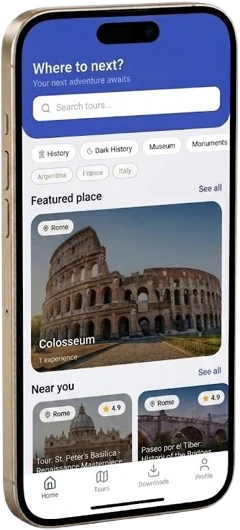
Long lunches and late dinners leave the mornings and evenings free for walking. Trevurs has free, self-guided audio tours across Spain that work offline, so you can explore at your own pace before the kitchens open:
- Madrid: "Habsburg Madrid: the Small Town That Became the Capital of an Empire" and "The Prado: the Building Meant for Science That Ended Up Housing Velázquez and Goya".
- Barcelona: "Barcelona: Two Thousand Years of History Stacked Beneath the Gothic Quarter" and "Gaudí: the Architect Who Gave 43 Years to a Church He Knew He Would Never See Finished".
- Seville: "Seville: The Alcázar of the King Who Lived Like a Sultan".
- Free tapas country: "Granada: The Alhambra and the Last Kingdom of al-Andalus" and "León: the Cathedral Made of Light and the Kingdom That Gave Towns a Seat Beside the King".
- Beyond: "Valencia: the Merchants' Exchange, the Cup Called the Grail and the Paella with Rules", "Toledo: Moors, Jews and Christians in One Square Kilometer" and "Santiago de Compostela: the Camino and the Tomb Nobody Can Prove".
Download the app, pick a city and start walking. Lunch can wait until 2.