Pyramids of Giza: Tickets, Scams and the Grand Egyptian Museum
The Great Pyramid was the tallest human-made structure on Earth for roughly 3,800 years, and today its biggest threat to your day is not the desert, it is the guy who "just wants to show you something." Giza is easy to love and easy to get wrong. This guide covers tickets, the interior question, the scams, and how the new Grand Egyptian Museum fits in.
Getting there and when to go
The plateau sits on the western edge of Greater Cairo, about 30 to 60 minutes from downtown depending on traffic (and it is always traffic). Ride-hailing apps like Uber and Careem are the least stressful option and avoid the haggling. Ask the driver to drop you at the main gate, not at a "special entrance" or a stable.
The site generally opens around 8:00 and closes in the late afternoon, with shorter hours in winter and during Ramadan, so verify before you go. Arrive at opening. By 10:00 the tour buses land, the sun gets serious, and the photos fill with strangers. From June to September it is brutally hot by late morning.
Tickets: what you actually pay
Prices have been changing fast and foreigner rates are higher than local ones. As of 2026, general admission to the plateau is reported at around 700 EGP for adults, with roughly half price for students with a valid ISIC card. That covers the outdoor areas: the three main pyramids, the Sphinx area and the Valley Temple. Tickets for entering individual pyramids are sold separately, and the numbers reported online disagree, so treat everything here as approximate and check the official Ministry of Tourism and Antiquities site or the ticket office.
- Khufu (Cheops) interior: the most expensive and most limited, with a daily cap. In high season (October to April) it can sell out, so go early or buy ahead.
- Khafre and Menkaure interiors: much cheaper, usually available without a fuss.
- Panorama point: the viewpoint on the desert side is free once you are inside, and it is where you get the classic three-pyramids shot.
Carry cash in small bills for tips and drinks, and keep your passport or a copy handy for any student discount.
Should you go inside?
Honestly, it depends on your tolerance for tight spaces. The inside of the Great Pyramid is a steep, low, hot, sweaty climb up a narrow ascending passage to an empty granite chamber. There is no decoration, no gold, no mummy. What you get is the sheer strangeness of standing in a room hidden inside 2.3 million stone blocks. If you are claustrophobic, have bad knees, or hate crowds, skip it.
If you want one interior, the smaller pyramids are a cheaper way to scratch the itch, and some have painted or carved details that Khufu lacks. Rules on phones and cameras change, so ask at the gate.
The scams, and how to say no
Giza has a reputation, and most of it is earned. The hustle is not violent, just relentless. The usual suspects:
- The "free" camel or horse ride. The ride is free, the price to get down is not. Agree on the total price, in writing or on your phone, before you sit.
- The "official" guide at the gate. Plenty are licensed, many are not. Ask to see a ministry-issued ID and negotiate the full price up front.
- The "closed today" line. Someone tells you the gate is shut or that you need a different entrance. It is not. Walk to the real ticket office.
- The papyrus and perfume shop. A "friendly" stop on the way that turns into a hard sell. Say no thanks and keep moving.
- The photo favor. Someone takes your phone, shoots a few frames, then asks for money. A firm "la, shukran" (no, thank you) works better than an explanation.
You do not need to be rude. Smile, keep walking, and repeat "la, shukran." If you want a camel anyway, it is a fun hour, as long as the deal is settled first.
The Grand Egyptian Museum
The Grand Egyptian Museum (GEM) sits just a couple of kilometres from the pyramids, and its huge glass facade frames them on clear days. After years of delays, it fully opened to the public in late 2025. It holds the entire Tutankhamun collection in one place, with more than 5,000 objects from his tomb, plus a colossal statue of Ramesses II in the atrium and the Grand Staircase lined with royal statues.
Tickets are usually sold online in advance, and you should book a time slot rather than count on walking up. Prices were not confirmed when I checked, so look at the official museum ticketing site. Give it three to four hours at least. A good rhythm is pyramids at sunrise, lunch, then the museum in the afternoon when the heat is at its worst, which puts the objects in their proper context.
How long, and a simple plan
- Half day (4 hours): the plateau at opening, the panorama point, the Sphinx, one interior if you want.
- Full day: the plateau in the morning, a long lunch, the GEM from 14:00.
- What to skip: the camel photo traps, the perfume stop, and the evening sound-and-light show unless you are travelling with kids (it is dated, but atmospheric).
Bring water, a hat, sunscreen and closed shoes. The sand and stone are rougher than they look.
Explore Giza with Trevurs
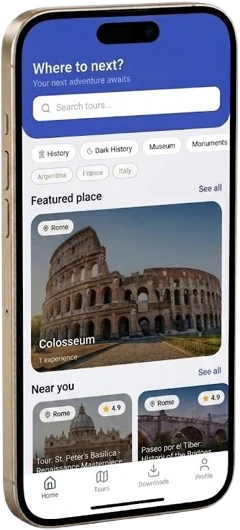
The real question at Giza is not how, it is who. For decades the story was slaves with whips. The archaeology of the workers' town tells a different story, one of paid crews, bakeries, and a state that fed its builders. Trevurs has a free, self-guided audio tour, Giza: It Wasn't Slaves, that walks you through the plateau and what the evidence says. It runs offline, so you can follow it with no signal and no guide pitching you a papyrus.
Download the Trevurs app, pick the Giza tour, and walk the plateau at your own pace.