Mexico City Travel Guide: Neighborhoods, Food and What Surprises First-Timers
Mexico City sits at 2,240 meters (7,350 feet) above sea level, on the bed of a lake the Aztecs drained and built over, and the whole city is still sinking: parts of the historic center have dropped several meters in a century. Nobody tells first-timers this, but it explains a lot, from the tilted cathedral to the way the ground feels alive. It is also one of the best-value big cities in the world if you plan it right.
Get your bearings: the neighborhoods that matter
Mexico City is enormous (over 9 million people in the city proper, more than 20 million in the metro area), but a first visit fits inside five areas.
- Centro Histórico: the Zócalo, the Metropolitan Cathedral, the Templo Mayor ruins and the Palacio de Bellas Artes with its Tiffany glass curtain. Walkable, loud, essential.
- Roma and Condesa: tree-lined streets, Art Deco buildings, cafes, bookstores and the best restaurant density in the city. This is where most visitors want to stay.
- Coyoacán: a colonial village inside the city, home to the Frida Kahlo museum (Casa Azul), a big market and quiet plazas.
- Chapultepec: the largest urban park in Latin America, with the castle and the National Museum of Anthropology.
- Polanco: upscale, polished, good for museums like Soumaya and for high-end dining.
For a first trip, sleep in Roma Norte, Condesa or the Centro. Both are well connected by Metro, Metrobús and cheap rideshare.
The big sights, with real numbers
Museo Nacional de Antropología. The best museum in the country and one of the best on Earth. Foreign visitors pay around 210 pesos in 2026, it is open Tuesday to Sunday, 9:00 to 18:00, and you need at least three hours. Skip the upper floors if you are tired, but do not skip the Aztec (Mexica) hall.
Templo Mayor. The ruins of the main Aztec temple sit right next to the Cathedral, because the Spaniards built on top of them. Allow 90 minutes with the museum.
Teotihuacán. The Pyramids of the Sun and Moon are about an hour from the city. Foreign entry is around 210 pesos in 2026, open daily 8:00 to 17:00 (last entry 16:30). Go early, bring water and a hat, because there is almost no shade. Buses leave from the Autobuses del Norte terminal for roughly 100 to 120 pesos round trip (verify before you go).
Casa Azul (Frida Kahlo Museum). Tickets are sold online only and a general adult ticket was around 320 pesos at last check. In high season it sells out weeks in advance, so book before you fly. It is closed on Mondays.
Palacio de Bellas Artes. Worth entering for the Rivera, Orozco and Siqueiros murals on the upper floors. The exterior is white Italian marble, and the building has sunk so much since 1910 that its entrance steps are noticeably lower than the street.
What surprises first-timers
- The altitude is real. Expect a mild headache, shortness of breath on stairs and strong sun on day one. Drink water, go easy on mezcal and skip a heavy first night.
- The Metro is great and cheap. A ride costs about 5 pesos (verify), with a prepaid card. It is crowded at rush hour, and the first car of the train is reserved for women and children in many stations. Metrobús and Uber are good alternatives.
- Sundays are special. Reforma avenue closes to cars for the Muévete en Bici program, and many museums offer free or discounted entry for residents.
- Street food is part of the plan. Tacos al pastor, tlacoyos, quesadillas and elotes cost a fraction of a restaurant meal. Pick busy stalls where food turns over fast.
- Tipping is expected. About 10 to 15 percent in restaurants, and check whether service is already included.
- The tap water is not for drinking. Use bottled or filtered water, even for brushing your teeth if you have a sensitive stomach.
How many days and what to skip
Three days is the minimum, and four or five is better. A simple split: day one in the Centro (Zócalo, Templo Mayor, Bellas Artes), day two in Chapultepec and Polanco, day three in Coyoacán and the Casa Azul, and day four for Teotihuacán. You can skip the Torre Latinoamericana if the sky is hazy, and skip the touristy Xochimilco boats on weekends when they are loud and crowded, or go on a weekday morning instead.
Safety and money
Central neighborhoods are busy and generally fine in daytime. Use normal big-city sense: keep your phone in your pocket on the Metro, use app-based rides at night, and avoid hailing street taxis. Carry some cash (pesos) for markets and small stalls, and use ATMs inside banks. Exchange rates and prices change, so check them close to your trip.
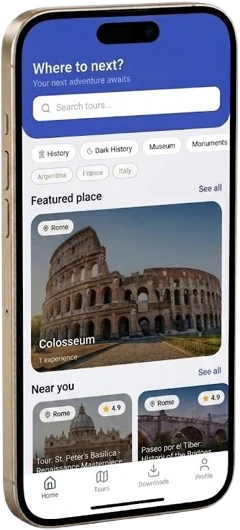
Explore Mexico City with Trevurs
The Zócalo makes more sense when you know what is under it. Trevurs offers a free, self-guided audio tour, Mexico City: Tenochtitlan, the Buried City, that walks you through the Aztec capital hiding beneath the modern streets. It works offline, so you can listen without burning mobile data. Download the app, save the tour before you leave your hotel and let the city tell you its story as you walk.