Marrakech Travel Guide: The Medina, Riads and How to Haggle
The medina of Marrakech has no street signs worth trusting, no straight line longer than about thirty meters, and around 3,000 alleys that Google Maps handles with the confidence of a sleepwalker. It is also one of the most rewarding places in North Africa to get lost in, as long as you know a few rules before you land.
How to arrive
From Menara airport, grand taxis wait outside the terminal. The posted fare to the medina is roughly 100 MAD by day and more at night, though drivers often open at 200 to 300 MAD. Agree the price before you get in, or pre-book a transfer through your riad (around 15 to 20 EUR is typical). A city bus also runs from the airport for a few dirhams, but check the current line and fare on arrival. Taxis cannot enter most of the medina, so your riad will usually send someone to meet you at a gate or a landmark and carry your bag.
Jemaa el-Fna: go twice
By day it is a wide, slightly bare square with orange juice carts (about 5 to 10 MAD a glass, ask the price first) and snake charmers who will charge you for a photo. After sunset it turns into an open-air theater: smoke from dozens of food stalls, Gnawa musicians, storytellers and crowds. UNESCO recognized the square's oral traditions as intangible heritage back in 2008. Eat once at the stalls (stick to busy ones with a queue of locals), then climb to a rooftop cafe for the view. Drinks there cost more, and that is the price of the seat.
What to actually see
- Koutoubia Mosque: the 12th century minaret was the model for the Giralda in Seville and the Hassan Tower in Rabat. Non-Muslims cannot enter, but the gardens around it are free and lovely at sunset.
- Bahia Palace: built in the late 19th century for a grand vizier. Entry has been around 70 MAD in recent years (verify before you go). Go at opening to beat the tour groups.
- Saadian Tombs: a small walled garden with a hall of cedar and marble, sealed for centuries and rediscovered in 1917. Expect a queue at the chamber, plan 30 minutes.
- Ben Youssef Madrasa: a 16th century Quranic school with one of the finest courtyards in the country. It has been closed for restoration at times, so check its status.
- Majorelle Garden: cobalt blue, cactus and a Yves Saint Laurent memorial. Book a timed ticket online, because walk-up queues in high season can last more than an hour. Allow roughly 150 to 200 MAD for the garden, with the Berber museum extra (verify current prices).
If you only have one day, do Bahia, the Saadian Tombs and Jemaa el-Fna at dusk. Majorelle fits better on a second morning, together with a walk through Gueliz.
Where to stay: a riad, probably
A riad is a traditional house built around an inner courtyard, usually with 4 to 10 rooms, a rooftop terrace and breakfast included. They are quiet, cool and cheaper than a big hotel for what you get. The trade-off is location: the deeper in the medina, the longer your walk with a suitcase. Look for places within about ten minutes of Jemaa el-Fna, check that the booking includes meeting you at the gate, and read recent reviews about the noise. Mosques call to prayer early, and that is part of the deal.
How to haggle without losing your nerve
Souk prices are not fixed, and the first number is a conversation opener. A simple method:
- Ask the price only for something you actually want.
- Counter at around 30 to 40 percent of the first offer, with a smile.
- Meet somewhere near half. If the gap stays wide, say thank you and walk away. A real price often follows you down the alley.
- Do not start negotiating if you are not ready to buy. Once the price is agreed, you are expected to pay.
Fixed-price shops and the government craft center (Ensemble Artisanal) are good for calibrating what things should cost before you enter the souks.
Scams to know
- "The square is closed" or "the tanneries are that way": friendly strangers who redirect you usually want to guide you into a shop. A polite "la, shukran" and keep walking.
- Unsolicited guides: a self-appointed guide will expect payment at the end. If you want a licensed one, book through your riad or the tourist office.
- Henna and photo ambushes: a hand grabbing yours for "free" henna is not free. Keep your hands to yourself and shoulders squared.
- Taxi meters: petit taxis are supposed to use the meter, and many "forget." Insist or agree before you go.
- Pickpockets: crowded alleys and Jemaa el-Fna at night call for a front bag.
Practical notes
Spring (March to May) and autumn (October to November) are the comfortable seasons. July and August regularly pass 40 C. Dress modestly, shoulders and knees covered, which also reduces attention. Carry small bills and coins, since change is a scarce commodity. Drink bottled water, and keep a little cash for tips.
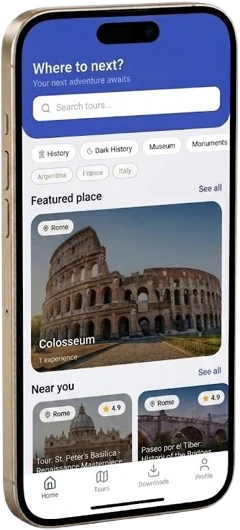
Explore Marrakech with Trevurs
The medina makes much more sense once you know the story behind it. Our free, self-guided audio tour Marrakech: the Almoravid Empire and the City That Never Became Colonial walks you through how a camp of desert warriors in the 11th century became an imperial capital, and why this city kept its identity when so many others did not. It runs without a connection, so you can use it inside the alleys where signal and Maps both fail. Download Trevurs, load the tour before you land, and let the city explain itself.