Istanbul Travel Guide: Hagia Sophia, Bazaars and Crossing Continents
Istanbul is the only major city in the world built on two continents, and you can cross between them for the price of a coffee. A public ferry from Eminonu to Kadikoy takes about 25 minutes, and for most of the ride you are sailing past a skyline that has been the capital of three empires. That mix of old and new, Europe and Asia, is what makes a first trip here so intense. This guide gives you the plan to handle it.
How many days and where to stay
Give Istanbul at least 3 full days; 4 is better. Stay in Sultanahmet if you want to walk to Hagia Sophia, the Blue Mosque and Topkapi Palace at opening time, before the crowds. It is quiet at night, though, and restaurants are touristy. Karakoy, Galata or Beyoglu across the Golden Horn have better food, cafes and nightlife, and a tram or short walk connects you to the old city. Avoid Taksim Square for sleeping unless you like noise.
Day 1: Sultanahmet, the imperial core
Start at Hagia Sophia right at opening. Built in 537 by Emperor Justinian, it was the world's largest cathedral for almost a thousand years, then a mosque, then a museum, and a mosque again since 2020. As of 2026, foreign visitors pay around 25 euros to enter the upper gallery, where the Byzantine mosaics are. The Istanbul Museum Pass is not accepted there. Rules and visitor flows have changed several times, so check the current setup before you go.
Next, walk across the square to the Blue Mosque (free, closed to tourists during prayer times, cover your shoulders and knees, and women need a headscarf). Then go underground to the Basilica Cistern, a 6th century water reservoir with 336 columns. Expect roughly 1,950 TL for a daytime ticket (verify, as prices move with the lira). Finish the day at the Hippodrome, where an Egyptian obelisk older than Rome still stands.
Day 2: Topkapi Palace and the Grand Bazaar
Topkapi Palace was the home of Ottoman sultans for almost 400 years. Budget half a day. The combined ticket including the Harem was around 2,750 TL in 2026 (the Harem alone about 1,050 TL), so it is worth paying for the combination. Go early, as tour groups arrive by 10:00.
In the afternoon, get lost in the Grand Bazaar, with more than 4,000 shops under a series of domes. Bargain, but do not feel obliged: a good rule is to offer about half and settle around 60 to 70 percent of the first price. For quality rather than souvenirs, the nearby Spice Bazaar is smaller, more fragrant and easier to handle. Note that the Grand Bazaar is closed on Sundays, so plan around that.
Day 3: Cross the water
Take the ferry across the Bosphorus to Kadikoy on the Asian side. The market streets there are where locals eat: try fish sandwiches, meze and Turkish coffee. Come back by the tram or ferry and stop at the Galata Tower for the view, then walk down Istiklal Avenue to Taksim. If you have energy left, a Bosphorus cruise at sunset shows you the palaces, fortresses and wooden mansions lining both shores. The public ferry is much cheaper than the commercial tour boats and sails similar routes.
Getting around
Buy an Istanbulkart transport card at kiosks near the airport or major stations. It works on trams, metro, buses and ferries and is far cheaper than single tokens. The T1 tram links Sultanahmet, Eminonu, Karakoy and beyond. Taxis are cheap but insist on the meter, and use the BiTaksi app when possible. From Istanbul Airport (IST), the M11 metro and Havaist buses reach the center in roughly an hour.
What to skip and what to know
- Skip the carpet shop "invitations" from strangers near Sultanahmet. Friendly conversation that ends in a shop is a classic.
- Skip overpriced restaurants with photo menus facing the mosques. Walk five minutes away.
- Dress modestly for mosques and carry a light scarf. You will take shoes off, so wear socks.
- Best months are April to June and September to November. July and August are hot and crowded.
- Cash and cards: cards work widely, but keep some lira for ferries, tea and small shops.
- Prices are quoted in lira and shift with inflation, so treat every figure here as a guide and confirm on official sites.
Explore Istanbul with Trevurs
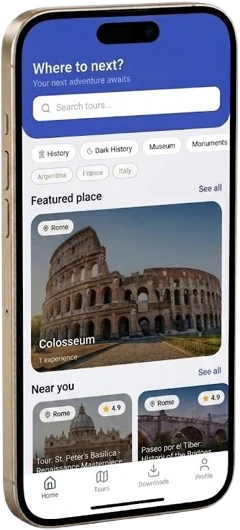
Istanbul's history is dense enough that a plaque rarely does it justice. Trevurs has free, self-guided audio tours that work offline, so you can listen as you walk without roaming data. Start with Hagia Sophia: 1500 Years of Empires, which tells the story of the building from Justinian to today, and continue with Dark Istanbul: The Harem, the Eunuchs and the Strangled Brothers, a darker walk through Ottoman court intrigue. Download them before you land, put on headphones and let the city talk.