Bogotá Travel Guide: La Candelaria, Monserrate and the Gold Museum
Bogotá sits at 2,640 meters (8,660 ft) above sea level, which makes it one of the highest capitals in the world, and your lungs will tell you about it on the first staircase. The good news: the altitude is mild enough that most people adapt in a day, and the city rewards slow walking anyway. This guide covers the three things everyone comes for, La Candelaria, Monserrate and the Gold Museum, plus the practical stuff that guidebooks skip.
Altitude: what to expect
You will probably feel a bit breathless, tired or headachy on day one. It is rarely serious. Drink lots of water, go easy on alcohol the first night, eat lightly and skip any hard workout for 24 hours. The weather is the other surprise: Bogotá has no real seasons, just cool temperatures (roughly 8 to 19 °C, 46 to 66 °F) and rain that can show up at any hour. Bring a light jacket and a small umbrella, and dress in layers. If you have heart or lung conditions, ask your doctor before going.
La Candelaria: where Bogotá began
The city was founded in 1538 on these few blocks, and the historic center still feels like a village squeezed against the mountains. Start at Plaza de Bolívar, ringed by the Cathedral, the Capitolio Nacional, the Palace of Justice and the mayor's office. Then wander uphill through streets of colonial houses with terracotta roofs, wooden balconies and courtyards.
Highlights worth your time:
- Chorro de Quevedo: the small plaza where legend says Bogotá was founded. Buskers, street food and a bohemian feel.
- Street art: Candelaria is one of Latin America's great open-air galleries. Look for work along Calle 12 and around the Chorro. Several companies run graffiti tours.
- Botero Museum: free entry, around 120 works by Fernando Botero plus pieces he donated by Picasso, Monet and Dalí. Closed on Tuesdays, so verify before you go.
- Quinta de Bolívar: the country house where Simón Bolívar lived, with gardens at the foot of the hills.
- Teatro Colón: a 19th-century opera house, visited best on a guided tour or with a ticket to a show.
Allow half a day, and do not wander the upper blocks alone after dark.
The Gold Museum
The Museo del Oro holds more than 55,000 pieces of metalwork, one of the largest gold collections in the world, from pre-Hispanic cultures such as the Muisca, Quimbaya and Tairona. The star is the Muisca Raft, a tiny golden sculpture that depicts the ritual behind the El Dorado legend: a new chieftain covered in gold dust sailing out on Lake Guatavita. The Offering Room, where golden objects glow in the dark, is the moment people remember.
Practical details (verify on the official Banco de la República site before you go, since prices change):
- Address: Carrera 6 #15-82, by Parque Santander.
- Hours: Tuesday to Saturday 9:00 to 19:00, Sundays and holidays 10:00 to 17:00. Closed Mondays. Last entry is about an hour before closing.
- Price: around COP 21,000 for foreign visitors on regular days (a lower rate applies to nationals), and free on Sundays. Sundays are also the most crowded, so go on a weekday morning if you can.
- Time needed: 2 hours with the audio guide.
Monserrate: the view over the city
The white church at Cerro de Monserrate sits at about 3,150 meters (10,330 ft), roughly 500 meters above downtown, and the sanctuary has drawn pilgrims since the 17th century. You can reach it by cable car (teleférico), funicular, or on foot via the pilgrim trail of about 1,500 steps.
- Cable car and funicular: a round trip costs somewhere around COP 30,000 to 45,000 depending on the day, the operator and whether you buy online. Sources disagree, so check at the ticket window or on the official channels. Sundays are cheaper but much busier.
- Hours: generally from early morning to late evening, with shorter hours on Sundays and holidays. Confirm before you go.
- Walking: only when the trail is open, and in a group, never alone. Honestly, on your first day at altitude, take the cable car.
- Best timing: a clear morning for the Andes views, or late afternoon for the sunset. Bring a jacket: it is much colder at the top.
At the top you will find the sanctuary, a viewpoint, souvenir stalls and restaurants. Try a hot canelazo or a cup of aguapanela with cheese.
Ciclovía: Bogotá's Sunday ritual
Every Sunday and public holiday from about 7:00 to 14:00, the city closes more than 120 km (75 miles) of main roads to cars and opens them to cyclists, runners and skaters. It is one of the largest and oldest recreational street closures in the world, running since 1974. Rent a bike near Candelaria or along Carrera Séptima and ride with the locals. Pair it with free Sunday entry to the Gold Museum.
What to eat
- Ajiaco santafereño: a thick chicken and potato soup with capers, cream and avocado. It is the classic Bogotá dish.
- Chocolate santafereño: hot chocolate served with a piece of cheese to drop in. It sounds odd, and it works.
- Tamal and changua: the traditional breakfast.
Getting around and staying safe
Use TransMilenio (the bus rapid transit) sparingly, because it is crowded at rush hour. For most visitors, ride-hailing apps and yellow taxis ordered through an app are the easiest options. Walk in Candelaria during the day, keep valuables out of sight, and avoid showing your phone on the street. Stay in Chapinero, Zona G, Usaquén or the Candelaria edge for a good balance of safety and atmosphere.
How many days?
Two full days cover the essentials: Candelaria and the Gold Museum on one, Monserrate and a neighborhood like Usaquén on the other. Add a third day for Zipaquirá's Salt Cathedral or a Sunday Ciclovía.
Explore Bogotá with Trevurs
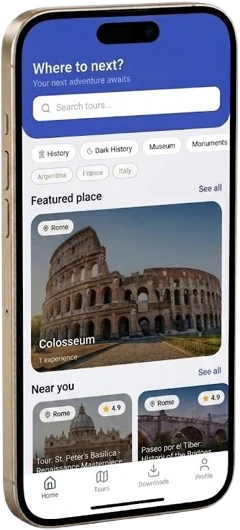
Want the story behind the stones? Trevurs has a free, self-guided audio tour, Bogotá: Gold, El Dorado and the City That Sought It, that walks you through the history of the legend and the places that shaped it. It works offline, so you can listen while you walk without eating up your data plan. Download the app, pick the tour and let the city speak for itself.